Airports are one of the biggest energy consumers in the world. Over recent years there has been a push to decrease the amount of energy these airports use, even going so far as to become carbon neutral. From clean energy vehicle fleets to solar panels and high efficiency building materials, the possibilities of decreasing energy consumption are great.
Dallas Fort Worth International Airport is one of the largest airports in the world. Opening in 1973, it is the hub of all major air traffic in the DFW area. Approximately 17,207 acres large, it has its own zip code. It has service to 249 destinations, including 62 international and 187 in the U.S. It is the largest hub for American Airlines, which is headquartered near the airport.
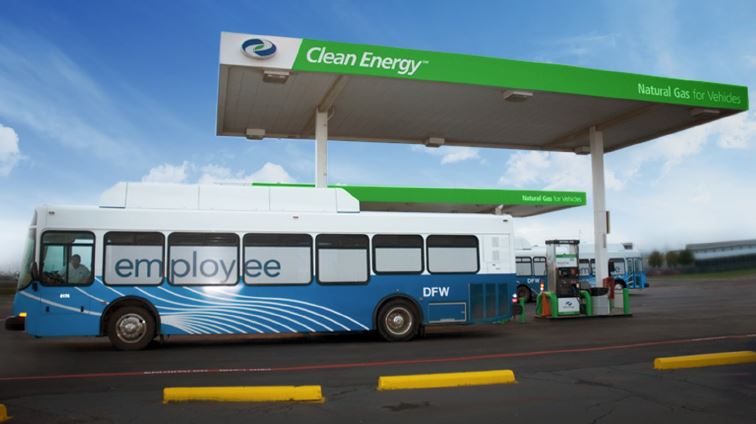
DFW airport started their journey to carbon neutrality in the late 1990's. The airport finished switching over their buses to compressed natural gas fuel in 2011. This process resulted in an 18 percent reduction in carbon emissions, despite a 15 percent increase in passenger traffic. From 2010 to 2016 DFW had a 29% reduction in carbon emissions per passenger, in addition to a 38% decrease in energy costs.
In addition to steps taken to reach carbon neutrality, DFW airport has also limited their water consumption. The airport installed water-conserving plumbing fixtures in restrooms in all terminals. These fixtures reduced water usage by approximately 50%, saving over five million gallons of water each month.
Waste diversion during construction as well as comprehensive recycling programs have also reduced waste at the airport.
For More Information:
https://www.dfwairport.com/sustainability/index.php
2018 Environmental Social Governance Report