Overview
Once one of the largest livestock markets in the United States, the Fort Worth Stockyards are dedicated to setting a direction for the future while honoring its working heritage. After over a century of being a cattle industry hotspot, the Stockyards are now being slowly transformed into a major tourist destination in the DFW region. This rehabilitation project is focused on making the area more tourist friendly while remaining attached to its roots, being environmentally friendly, and embracing forward thinking.
History of the Stockyards
Once a major shipping point for livestock, the Stockyards are rich with history and significance to the city of Fort Worth. Bringing the name “Cowtown” to Fort Worth in the late 19th century, the Stockyards were once known as the Union Stockyards, which was a product of the new railroad system bringing in livestock. Not long after the construction of the Union Stockyards, an investor by the name of Greenleif Simpson bought the Union Stockyards for $133,333.33 and rebranded the shipping point as the Fort Worth Stockyards Company.
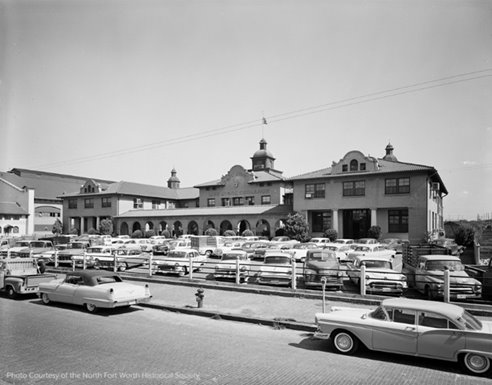
Thanks to new investors (including Simpson), by the early 20th century, the Fort Worth Stockyards Company became a major player in the cattle industry, as new meat packing plants were being built near the site for easier business. At the same time, construction began on the pens, barns, and the Livestock Exchange Building, which allowed for the Stockyards’ business to boom. From then on known as the Wall Street of the West, the Stockyards were thriving through the end of World War II, when the Stockyards began to decline concurrently with the decline of the railroad. Once the trucking industry picked up, the Stockyards began to suffer as the cattle business was moved to shippers instead of meat packers. By the late 20th century, the Stockyards had begun to drastically decline. Once the largest horse and mule market in the world, the Stockyards had dropped to a population of only 57,181 total animals by 1986.
Moving Forward
With the beginning of the decline of the cattle industry, residents of Cowtown began to take measures to protect their livestock heritage, along with the history of the Stockyards. In 1976, the North Fort Worth Historical Society was founded, which helped to establish the Fort Worth Stockyards National Historic District. Following this, the Stockyards Museum was built inside of the old Exchange Building in 1989. Since the beginning of the 21st century, however, the Fort Worth Stockyards have been working to create a tourist destination out of their heritage, complete with old and new attractions and businesses.
Historic District
Starting in 2018, plans were unveiled to change the look and function of the Fort Worth Stockyards. With the support of the Stockyards Heritage Development Company, initiatives to renovate Mule Alley and the rest of the historic district began. Since then, the Historic District has added several retail shops and tenants for the area, including Second Rodeo Brewing Co., Shake Shack, American Paint Horse Association, Simpli.fi., RFD HQ and Studios, and Hotel Drover. Backed by numerous investors, the stockyards have been given new life.
Tax Increment Financing District
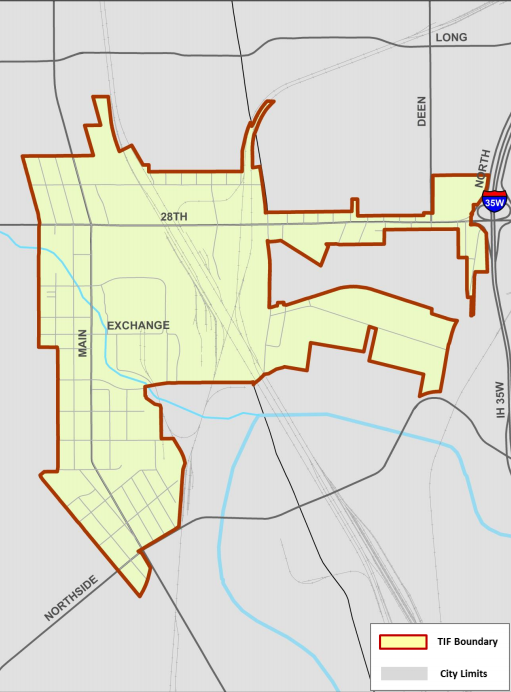
The Stockyards also have been improving with the help of state programs, such as Tax Increment Financing Districts (TIFs). TIFs are a tool authorized by the Texas State government and the Texas Tax Code that allows local governments to finance structural improvements and enhanced infrastructure in their region. While the City of Fort Worth has used TIFs a number of times, a plan to use TIFs in the Stockyards area is currently being discussed by local officials. Though not much information has been made public yet, the City of Fort Worth has released the following map of the reinvestment area:
Public Improvement District (PID) #11
The Stockyards have also invested in a Public Improvement District (PID), which is implemented by the City of Fort Worth. PID’s allow for property owners within a certain district to pay extra taxes in exchange for more services. In this instance, beginning in 2003, the residents of the Stockyards PID have paid more over time to invest in the Stockyards National Historic District. Some of the services that residents have paid for include litter abatement and maintenance, capital improvements, marketing and communications, public events, district promotion, district planning, and other special projects.
380 Agreement
In addition to the benefits received from TIF and PID #11, the City of Fort Worth was also awarded a Chapter 380 Economic Development Incentive with an overall investment of $175 million. Chapter 380 Grants allow city councils to establish programs that promote economic development. In doing so, these developments can gain help via business loans, public money, and other methods of support from the city. In this instance, the Fort Worth Stockyards will be using a 380 Agreement to gain much needed support from the community around it.
Sources:
https://www.fortworthtexas.gov/departments/development-services/stockyards
https://www.fortworthstockyards.org/history
https://www.fortworthstockyards.org/more/pid-public-improvement-district-11
https://fortworthstockyards.com/stockyards-heritage-development-company-unveils-plans-for-the-future-of-the-fort-worth-stockyards/
https://www.fortworthtexas.gov/files/assets/public/finance/documents/ff1baa8f-469c-4c77-a23e-40552d0b4b02.pdf
https://www.fortworthtexas.gov/departments/ecodev/chapter380
https://www.fortworthtexas.gov/departments/ecodev/tif
History of the Stockyards
Once a major shipping point for livestock, the Stockyards are rich with history and significance to the city of Fort Worth. Bringing the name “Cowtown” to Fort Worth in the late 19th century, the Stockyards were once known as the Union Stockyards, which was a product of the new railroad system bringing in livestock. Not long after the construction of the Union Stockyards, an investor by the name of Greenleif Simpson bought the Union Stockyards for $133,333.33 and rebranded the shipping point as the Fort Worth Stockyards Company.
Thanks to new investors (including Simpson), by the early 20th century, the Fort Worth Stockyards Company became a major player in the cattle industry, as new meat packing plants were being built near the site for easier business. At the same time, construction began on the pens, barns, and the Livestock Exchange Building, which allowed for the Stockyards’ business to boom. From then on known as the Wall Street of the West, the Stockyards were thriving through the end of World War II, when the Stockyards began to decline concurrently with the decline of the railroad. Once the trucking industry picked up, the Stockyards began to suffer as the cattle business was moved to shippers instead of meat packers. By the late 20th century, the Stockyards had begun to drastically decline. Once the largest horse and mule market in the world, the Stockyards had dropped to a population of only 57,181 total animals by 1986.
Moving Forward
With the beginning of the decline of the cattle industry, residents of Cowtown began to take measures to protect their livestock heritage, along with the history of the Stockyards. In 1976, the North Fort Worth Historical Society was founded, which helped to establish the Fort Worth Stockyards National Historic District. Following this, the Stockyards Museum was built inside of the old Exchange Building in 1989. Since the beginning of the 21st century, however, the Fort Worth Stockyards have been working to create a tourist destination out of their heritage, complete with old and new attractions and businesses.
Historic District
Starting in 2018, plans were unveiled to change the look and function of the Fort Worth Stockyards. With the support of the Stockyards Heritage Development Company, initiatives to renovate Mule Alley and the rest of the historic district began. Since then, the Historic District has added several retail shops and tenants for the area, including Second Rodeo Brewing Co., Shake Shack, American Paint Horse Association, Simpli.fi., RFD HQ and Studios, and Hotel Drover. Backed by numerous investors, the stockyards have been given new life.
Tax Increment Financing District
The Stockyards also have been improving with the help of state programs, such as Tax Increment Financing Districts (TIFs). TIFs are a tool authorized by the Texas State government and the Texas Tax Code that allows local governments to finance structural improvements and enhanced infrastructure in their region. While the City of Fort Worth has used TIFs a number of times, a plan to use TIFs in the Stockyards area is currently being discussed by local officials. Though not much information has been made public yet, the City of Fort Worth has released the following map of the reinvestment area:
Public Improvement District (PID) #11
The Stockyards have also invested in a Public Improvement District (PID), which is implemented by the City of Fort Worth. PID’s allow for property owners within a certain district to pay extra taxes in exchange for more services. In this instance, beginning in 2003, the residents of the Stockyards PID have paid more over time to invest in the Stockyards National Historic District. Some of the services that residents have paid for include litter abatement and maintenance, capital improvements, marketing and communications, public events, district promotion, district planning, and other special projects.
380 Agreement
In addition to the benefits received from TIF and PID #11, the City of Fort Worth was also awarded a Chapter 380 Economic Development Incentive with an overall investment of $175 million. Chapter 380 Grants allow city councils to establish programs that promote economic development. In doing so, these developments can gain help via business loans, public money, and other methods of support from the city. In this instance, the Fort Worth Stockyards will be using a 380 Agreement to gain much needed support from the community around it.
Sources:
https://www.fortworthtexas.gov/departments/development-services/stockyards
https://www.fortworthstockyards.org/history
https://www.fortworthstockyards.org/more/pid-public-improvement-district-11
https://fortworthstockyards.com/stockyards-heritage-development-company-unveils-plans-for-the-future-of-the-fort-worth-stockyards/
https://www.fortworthtexas.gov/files/assets/public/finance/documents/ff1baa8f-469c-4c77-a23e-40552d0b4b02.pdf
https://www.fortworthtexas.gov/departments/ecodev/chapter380
https://www.fortworthtexas.gov/departments/ecodev/tif